Industries We Serve
Precision parts for 11 regulated and unregulated industries across Europe — with the certifications, documentation, and lead times each sector requires
Microns Hub serves engineers and procurement teams across 11 manufacturing-intensive industries. Each industry has its own combination of materials, tolerance expectations, certification demands, and documentation requirements — aerospace needs EN 9100 traceability, medical demands ISO 13485, automotive asks for IATF 16949 and PPAP. We match every project to a supplier in our European network whose certifications and capabilities fit the job, and we handle material certificates, First Article Inspection reports, and regulatory documentation as standard deliverables rather than paid extras. Below is a breakdown of what we deliver to each sector and the typical specs we hold.
Aerospace & Defense

We produce precision machined and formed components for aerospace tier-1 and tier-2 suppliers, UAV developers, space hardware startups, and defense contractors across Europe. Typical parts: structural brackets, avionics housings, fluid system fittings, satellite chassis, and ruggedized enclosures. Standard materials include aluminum 6061-T6 and 7075-T6, stainless 316L, titanium Grade 5 (Ti-6Al-4V), Inconel 718, and PEEK. Tolerance expectations run from ISO 2768-fine to ±0.005 mm on critical features. Material certificates EN 10204 3.1 are standard; 3.2 traceability with heat and batch numbers is available on request. Partners holding AS9100D / EN 9100 certification are available for flight-critical parts, with full FAI reports per AS9102.
Automotive & Motorsport
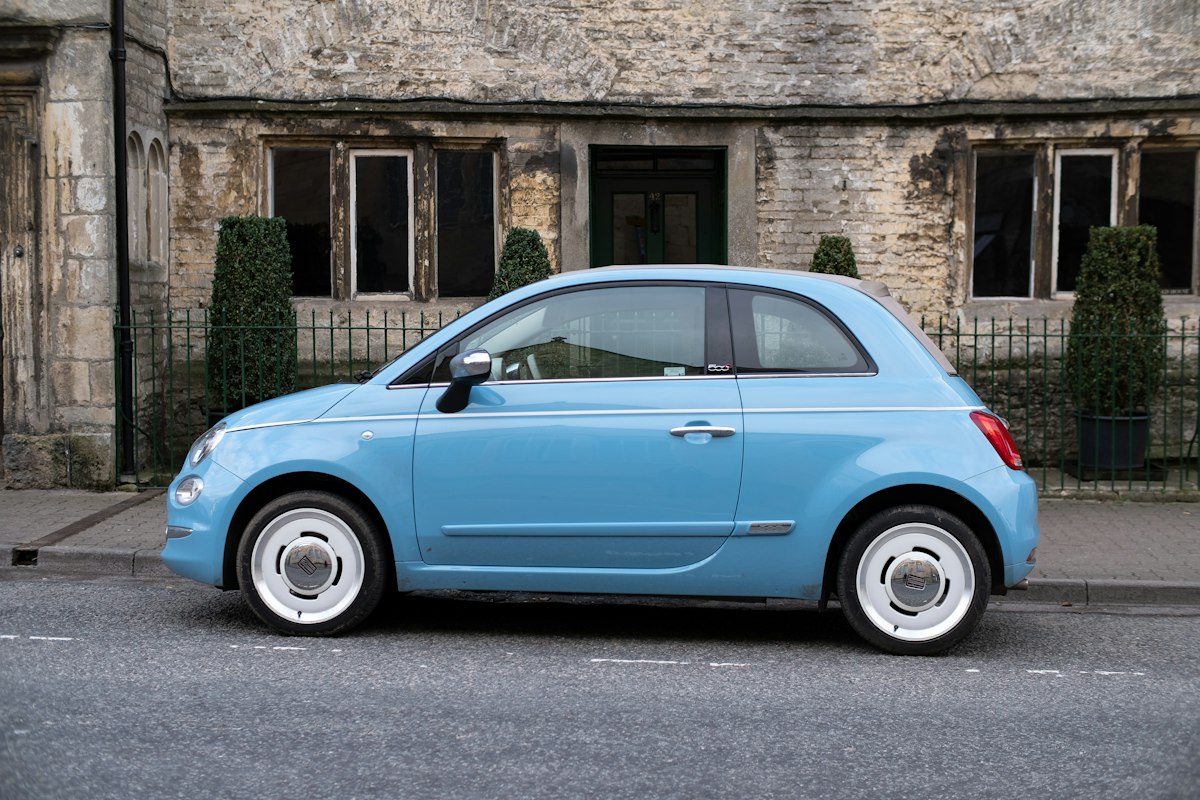
Prototype and low- to mid-volume production for automotive tier-2 suppliers, EV startups, motorsport teams, and aftermarket manufacturers. Typical parts: suspension components, bracketry, sensor housings, turbocharger fittings, EV battery cooling plates, and motorsport uprights. Standard materials cover aluminum 6061/7075, steel grades up to 42CrMo4, stainless 304/316, and high-temperature plastics like PA66-GF30 and PPS. We handle tolerances to ISO 2768-f and H7/h6 fits on bearing seats. IATF 16949-certified partners are available on request for serial production, along with PPAP documentation (PSW, control plans, dimensional reports). Motorsport teams typically use us for one-off prototypes in 5–7 days with material certs for scrutineering.
Medical Devices & Life Sciences
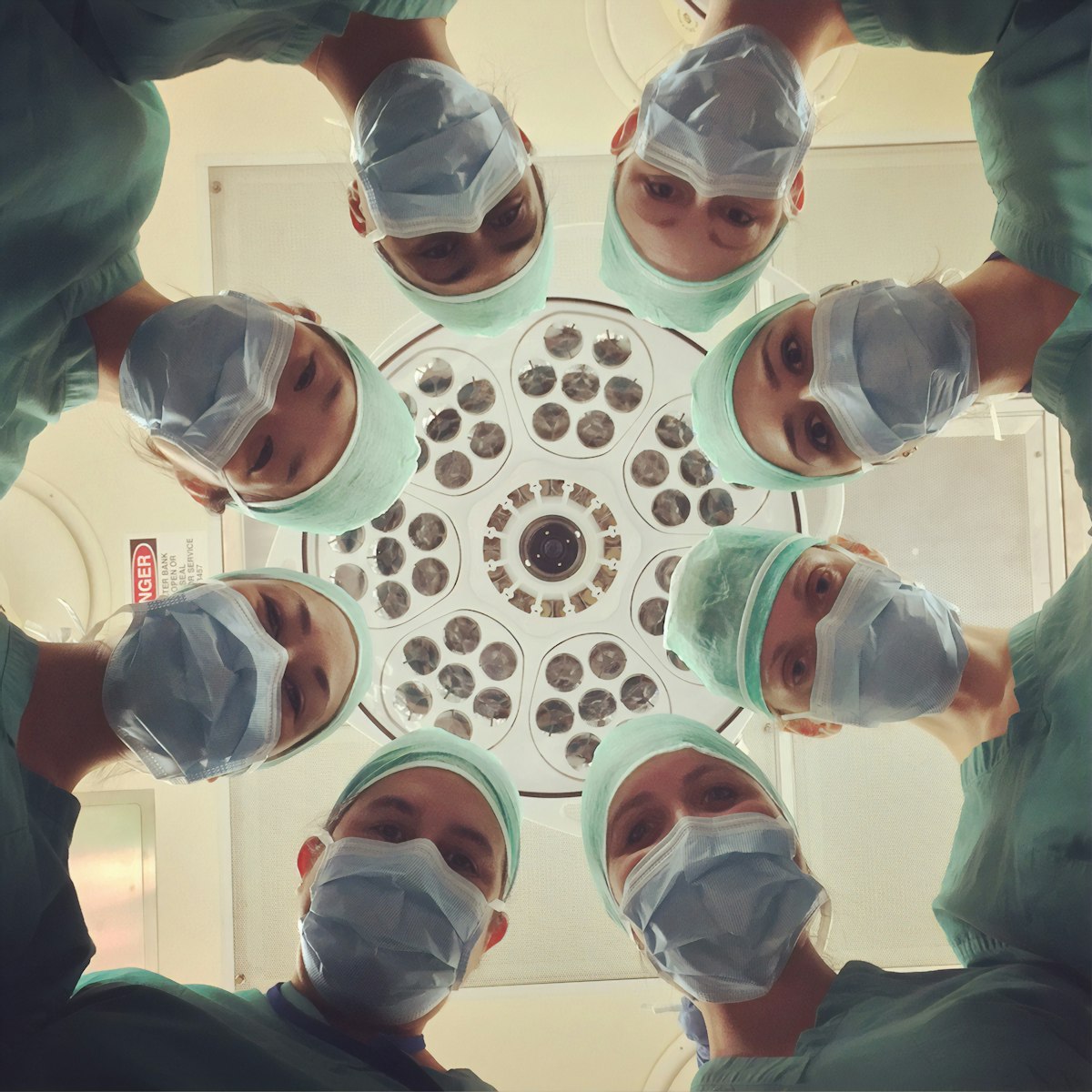
Precision components for diagnostic equipment, surgical instrumentation, lab automation, orthopedic prototypes, dental tools, and medical enclosures. We work with ISO 13485-certified manufacturing partners for production parts and offer prototype runs in non-certified environments where regulatory scope allows. Standard materials: implant-grade titanium, 316LVM stainless, PEEK, Delrin 100, acetal, and medical-grade PMMA. Surface requirements are commonly Ra 0.4 µm or finer on contact surfaces; electropolishing, passivation per ASTM A967, and Ra verification with profilometry are available. Biocompatibility data, material certificates, and cleanroom packaging (Class 100,000) can be arranged for production orders.
Industrial Automation & Robotics

Frames, brackets, end-of-arm tooling, robot base plates, sensor mounts, gripper fingers, and cobot enclosures for automation integrators, machine builders, and robotics OEMs. This is our highest-volume segment by part count — typical orders range from 1 prototype to 500-piece production runs. Aluminum 6061 and 7075 dominate, with 304 stainless for food-safe applications and tool steel for wear components. Sheet metal enclosures and chassis panels are a frequent pairing. We deliver standard parts in 3–7 working days and hold stock of fasteners, PEM inserts, and common hardware for no-questions-asked assembly-ready delivery.
Electronics & Electrical Equipment

Aluminum and stainless housings, heat sinks, EMI/EMC shielding panels, chassis plates, and custom brackets for electronics OEMs, test and measurement companies, and power electronics developers. Anodizing to mil-spec colors, chromate conversion (Alodine / Surtec 650), and thermally conductive finishes are commonly specified. We also handle sheet metal chassis with PEM inserts for rack-mount equipment, 19-inch panel cutouts laser-cut to IEC 60297, and custom connector plates. Minimum quantity is 1 for CNC and 1 for sheet metal; typical lead time 3–5 working days for prototypes.
Energy & Cleantech

Stainless and aluminum fabrications for solar mounting hardware, EV charging infrastructure, battery pack housings, hydrogen fuel cell components, wind turbine accessories, and renewable energy test rigs. Corrosion resistance is the dominant design constraint — we work with marine-grade 316L, anodized 6061, hot-dip galvanized mild steel, and powder-coated carbon steel. Outdoor-rated powder coatings meeting ISO 12944 corrosion categories C4/C5 are standard. Parts for battery enclosures are typically laser-cut and welded with documented weld quality per ISO 3834-2. Lead time 3–9 working days depending on process.
Consumer Goods & Hardware Startups

Prototype enclosures, bracket systems, mounting plates, and small-batch production runs for consumer hardware teams scaling from first prototype to the first 1,000 units. We handle the transition from 3D-printed concept models to CNC-machined functional prototypes, then to injection-molded or sheet-metal production. Typical consumer projects go through 3–5 iterations in 6–8 weeks before tooling. Industrial design finishes (bead-blast + anodize, vapor polish, silkscreen graphics) are priced transparently. Aluminum 6061, ABS, polycarbonate, and PC/ABS blends are the most common materials.
Industrial Equipment & Machine Building

Custom machine components, replacement parts, jigs and fixtures, tooling, wear parts, and structural weldments for machine builders and OEM equipment manufacturers. This segment values repeatability and documentation above all — we hold recurring part configurations, keep drawings on file indexed by customer part number, and typically ship repeat orders without requote. Common materials: 1.2379 / D2 tool steel, 1.2312 / P20, aluminum 6082, mild steel S235/S275, and bronze for bushings. Standard lead time 5–9 working days; rush orders in 3 days at 25% surcharge.
Research, Universities & R&D Labs

Formula Student teams, robotics clubs, research labs, and university engineering programs across Europe — we offer educational pricing, flexible procurement terms (PO, NET30/60, institutional invoicing), and no minimum order quantities. Typical parts: Formula Student uprights and suspension, wind tunnel test models, research apparatus, thesis prototypes, custom lab fixtures, and demonstrator hardware for conferences. We provide free DFM feedback on student submissions and turn around simple parts in 3–5 working days. We are open to sponsorship arrangements for Formula Student teams; contact us for partnership terms.
Marine, Food Processing & Specialty Sectors

Marine applications use 316L stainless, duplex 2205, and seawater-resistant aluminum alloys; food processing specifies 304 or 316 stainless with Ra 0.8 µm or better surface finish, crevice-free welds, and passivation per ASTM A967. We also serve oil & gas (valve components, downhole tool housings in Inconel and nickel alloys), HVAC (ducting, custom fittings, heat exchanger components), and semiconductor equipment (ultra-clean stainless fabrications, precision frames). Specialty materials like titanium Grade 2, Hastelloy C276, and duplex steels are available on 2–3 week lead times for non-stock sizes.
Certifications by Industry
We match every project to a supplier whose certifications and documentation match the regulatory scope required. Key certifications available through our supplier network:
| Industry | Typical certification | Standard documents delivered |
|---|---|---|
| Aerospace & Defense | AS9100D / EN 9100 | EN 10204 3.1/3.2, FAI per AS9102, CoC |
| Automotive (serial) | IATF 16949 | PPAP (PSW, FMEA, control plan), 3.1 certs |
| Medical (production) | ISO 13485 | Material certs, biocompatibility data, DHF support |
| General production | ISO 9001:2015 | EN 10204 3.1 certs, CoC, dimensional reports |
| Welded assemblies | ISO 3834-2 | WPS, WPQR, welder qualifications |
| Pressure equipment | PED 2014/68/EU | Material traceability, NDT reports (PT, UT) |
| Surface finishing | ISO 9001 / NADCAP for aerospace | Finish thickness, adhesion tests, Ra reports |
Common Materials by Industry
Quick reference for the materials most frequently specified in each sector:
| Industry | Metals | Plastics / Specialty |
|---|---|---|
| Aerospace | Al 7075, Ti-6Al-4V, Inconel 718, 316L | PEEK, PAI (Torlon), PI |
| Automotive | Al 6061/7075, 42CrMo4, 316L, 1.2379 | PA66-GF30, PPS, POM |
| Medical | Ti Grade 5, 316LVM, MP35N | PEEK, UHMWPE, PMMA medical |
| Robotics / Automation | Al 6061, Al 7075, 304 SS, tool steel | Delrin (POM-C), Nylon 6/6 |
| Electronics | Al 6061, copper C110, brass CuZn37 | FR-4, PC, ABS, PC/ABS |
| Energy / Cleantech | 316L, 2205 duplex, HDG steel, Al 6082 | GF-reinforced PA, PPS |
| Marine | 316L, 2205, Al 5083 | UHMWPE, PA6 cast |
| Oil & Gas | Inconel 625/718, Hastelloy C276 | PTFE, PEEK, Viton seals |
Not sure which fits your project?
Upload your CAD file or drawing and we will match your part to the right process, material grade, and certification level — no obligation, free DFM review returned in one working day.
Frequently Asked Questions
- Can you supply parts for regulated industries like aerospace and medical?
- Yes. We have AS9100D and ISO 13485 certified partners in our European supplier network. For aerospace we deliver material certificates EN 10204 3.1 or 3.2, First Article Inspection per AS9102, and full traceability by heat and batch number. For medical we offer ISO 13485 production, biocompatibility documentation, cleanroom packaging, and passivation certificates. Identify the regulatory scope when you request a quote and we will route to appropriate partners.
- Do you handle IATF 16949 automotive serial production?
- Yes, for prototype and low- to mid-volume runs. IATF 16949 certified partners are available on request for serial production. We deliver PPAP documentation including Part Submission Warrant, FMEA, control plans, dimensional reports, and initial process capability studies when scope requires. For automotive prototype and validation parts, non-IATF partners with ISO 9001 are typically sufficient and significantly faster.
- What is the typical lead time per industry?
- Baseline prototype lead times: 3 working days for sheet metal and rapid prototyping, 5 days for CNC machining and 3D printing, 7 days for CNC with complex finishing, 12 days for injection molded parts after tool approval. Aerospace and medical production orders with full documentation typically add 3–5 days for certification paperwork. Rush production is available at 25% surcharge to compress lead times by up to 40%.
- Do you offer educational or research discounts?
- Yes. We offer educational pricing on Formula Student, robotics, and research lab orders, with flexible procurement terms including purchase orders, NET30/NET60 institutional invoicing, and no minimum quantity. We also do free DFM review on student submissions and are open to sponsorship arrangements with Formula Student teams across Europe. Contact us through the education page to set up an account.
- Can I order a single prototype part, or do you have minimums?
- No minimums on CNC machining, sheet metal fabrication, 3D printing, or rapid prototyping. Single-piece prototypes are welcome and ship in standard lead times. Injection molding has a tooling investment that generally only makes sense from 100 parts upward — for lower quantities we recommend urethane casting or CNC-machined production.
Related Services
MICRONS HUB DV Ε.Ε. · VAT: EL803129638 · GEMI: 190254227000 · Industrial Area, Street B, Number 4, 71601 Heraklion, Crete, Greece